

By Laura Daly on Friday, 24th October 2025
Location scouting is one of the most exciting yet crucial parts of the filmmaking process. For both directors and directors of photography (DPs), the locations chosen can either make or break the visual and emotional tone of a film. While a well-chosen location can elevate a scene, poor location decisions can create unnecessary challenges during production.
Whether you’re working on a tight indie film or a grand blockbuster, scouting the right location requires a keen eye, careful planning, and a thorough understanding of how it fits into the story you want to tell. Let’s dive into what directors and DPs need to know when scouting locations for a film.

1. Understanding the Script: Why Location Matters
The first step in location scouting is always understanding the script. What kind of world does your story take place in? Is it an intimate drama set in a cozy apartment, or a high-energy action film taking place in a sprawling cityscape? The location is more than just a backdrop, it’s a character in your film. Directors and DPs need to fully understand the mood, tone, and emotional beats of the story in order to select a location that enhances those elements.
Drama or Romance
Consider spaces with lots of natural light or intimate corners that help evoke closeness.
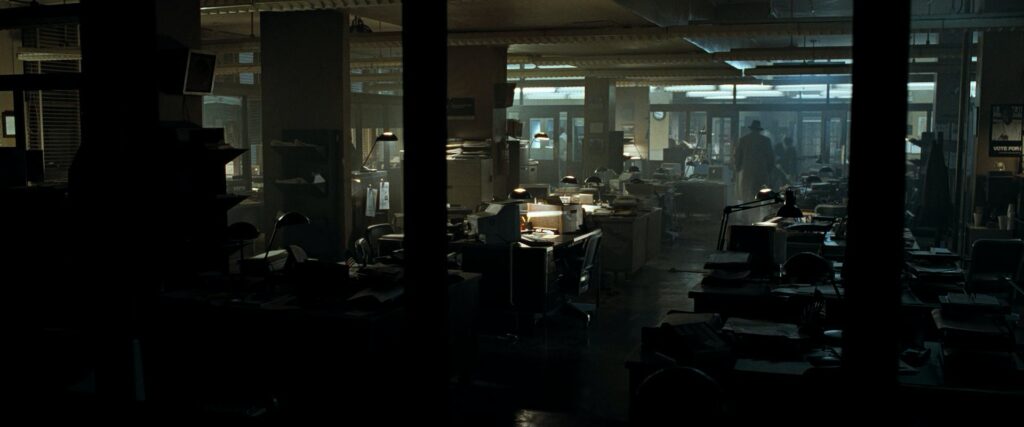
Thriller or Horror: Think about locations that create tension, an eerie, abandoned building or a dimly lit alley can contribute greatly to the suspense.
Action or Sci-Fi
Larger, more dramatic locations might be needed to showcase grand set pieces or futuristic landscapes.
Lighting: How the Location Affects Your Shots
Lighting can make or break a scene, so scouting locations with an eye for how light interacts with the space is crucial. Directors and DPs need to consider several factors, including:
Natural Light
Does the location offer enough daylight, or will you need to rely on artificial lighting? Is the light soft or harsh, and how does it change throughout the day?
Practical Lighting
If you’re shooting indoors, think about the available lighting in the space, are the light fixtures up to par, or will you need to bring in additional equipment?
Time of Day
Consider when the location will be most effective for the mood you want to convey. For example, golden hour lighting is perfect for a warm, romantic scene, while harsh midday light can be unforgiving.
Tip: Always visit locations at the same time of day that you plan to shoot to get an accurate idea of how the natural light will work for your scenes.
Space: Creating the Right Environment
Once you’ve found a location that matches your script and lighting needs, the next thing to consider is the space itself. Space isn’t just about how big or small a room or area is, it’s about how it can facilitate your storytelling and camera work.
Movement
Does the space allow for the camera to move freely? Are there obstacles that could limit your shot choices? Think about how your actors will move through the space as well.
Blocking
Consider how you’ll block the scene. Are there walls, windows, or furniture that might get in the way of your vision? It’s important to map out where the actors will be and how they’ll interact with the space.
Sound
The acoustics of a location can have a huge impact on the sound design of your film. A large, empty warehouse may create unwanted echoes, while a small, carpeted room might absorb sound too much. Always consider how your sound team will work with the space.
Logistical Challenges: Think Beyond the Aesthetics
Location scouting isn’t all about the visuals—it’s also about the logistics. Directors and DPs need to think about how practical and feasible a location is in terms of the production. Here are a few logistical factors to keep in mind:
Accessibility
Can your crew and equipment easily access the location? Is it close enough to where your team will be based, or will transportation be an issue?
Permits
Does the location require any special permits to film there? Make sure you understand the legalities involved in shooting at certain locations.
Weather and Time of Year
If you’re filming outdoors, consider the weather. Will it be too hot, too cold, or too unpredictable? Always have a backup plan or indoor location in case weather conditions don’t cooperate.
Availability and Costs
Is the location available when you need it, and within your budget? Popular locations might have limited availability or high rental fees, so plan ahead.
How to Collaborate with the Production Design Team
Once you’ve narrowed down your location, it’s time to bring in the production designer. Directors and DPs must work hand-in-hand with the production design team to ensure that the location fits within the overall aesthetic of the film. This might include adjusting the set dressing, props, and even making small modifications to the location to better suit the story.
For example, a drab office space might need a few additions to make it feel more lived-in, or an outdoor park might need some rearranging to create the perfect shot. Collaboration at this stage ensures that the location feels seamless and integral to the film.
The Power of Location
Location scouting is far from a random process, it’s a deliberate, creative endeavor that requires collaboration, careful planning, and a keen eye. By understanding the story, the space, and the lighting, directors and DPs can select the perfect locations to bring their film vision to life. The right location can elevate the entire production, providing an authentic backdrop that enhances the characters, mood, and tone of the story. So, grab your scouting gear, and go find that perfect spot for your next film!
More Insights and Tips for Filmmakers
Explore expert advice, behind-the-scenes guides, and practical tips to help you plan, manage, and deliver better film and TV productions.

Outline vs Treatment vs Screenplay: What’s the Difference?
For new filmmakers, and even experienced indie directors, the terms outline, treatment, and screenplay are often used interchangeably. In reality,…
Why Getting It Right In-Camera Always Beats “Fix It In Post”
With modern video editing software, “fix it in post” has become the ultimate security blanket. We’ve been conditioned to view…
Does Filmmaking Gear Really Matter? Why Skill Beats Specs
Since the advent of digital technology, a lot of filmmakers have gotten hung up on making sure they have the…
Common formatting mistakes that flag a script as not ready?
Industry standard formatting for screenplays exists for a reason, one page roughly equals one minute of screen time, your screenplay…

Editing Software Guide: Best Tools for Every Budget
Choosing the right video editing software is one of the most important decisions a film maker or creator can make.…

Sound Recording & Design: What Every Filmmaker Should Know
Sound isn’t just an add-on in film making, it’s half the picture. While visuals grab attention, your soundtrack shapes emotion,…
Get In Touch About Your Educational Needs
Our team is ready to discuss how CinePlatform Campus can support your students and faculty — from project management to grading and reporting.
Contact Us To Learn More