

By Laura Daly on Thursday, 11th June 2026
A Beginner’s Tutorial on Screenwriting using a Narrative Skills Focus
Writing a compelling screenplay is one of the most essential narrative skills a filmmaker can master. Whether you’re crafting your first short film or developing a feature-length script, understanding how to structure your story, develop characters, and write engaging scenes will set your work apart. This step-by-step guide breaks the process down into manageable, clear stages, perfect for beginners and creators looking to sharpen their screenplay craft.
What Makes a Screenplay Compelling?
A compelling screenplay combines:
- Strong structure: a clear beginning, middle, and end
- Memorable characters with motivations and arcs
- Engaging conflict that drives the narrative forward
Think of your screenplay as both a blueprint for production and a storytelling instrument that readers and viewers should want to follow from first page to last. Yellowbrick

Step 1: Start with a Strong Concept & Logline
Every screenplay starts with an idea — but not every idea has the power to hold a story.
Logline:
Write a one-sentence summary of your story that includes:
- Main character
- Goal
- Central conflict
Example: A shy violinist must risk everything to perform in the concert of her life… this gives you direction and clarity right from the start.
This step sharpens your focus and helps you pitch your story clearly. Yellowbrick
Step 2: Outline Your Story Structure
Screenplays almost always follow a structure that allows a story to unfold naturally and engagingly.
Three-Act Structure (most common):
- Act I: Set-up: Introduce characters, world, and the central conflict
- Act II: Confrontation: Expand obstacles and raise stakes
- Act III: Resolution: Climax and story payoff
This structure helps make your narrative feel cohesive and satisfying. Pro Tip: You can start with a beat sheet or step outline — a scene-by-scene breakdown that shows major events before you write the full script.
Step 3: Create Your Characters
Characters are the heart of your screenplay.
To make them compelling:
- Define their wants and needs
- Give them flaws and emotional arcs
- Ensure they change over the course of the story
Characters should drive the plot, not the other way around. Audiences remember characters more than plots, so invest time here.
Step 4: Write Your Synopsis
Before diving into pages of screenplay, write a synopsis, a short paragraph that highlights:
- Major plot points
- Character arcs
- Story’s emotional core
This helps you remember the big picture and stay on track as you begin drafting
Step 5: Draft Your Screenplay
Now for the actual writing!
Screenplay Basics:
- Industry-standard format makes reading easier for professionals. Use tools like Celtx, Final Draft, or WriterDuet.
- Write in present tense you want every reader to see the movie as they read.
- Keep action lines concise and dialogue purposeful.
Each scene should push the story forward and connect to your narrative themes.
Step 6: Build Conflict & Scenes That Matter
Conflict is the engine of narrative. Without it, scenes can feel flat.
Ask yourself:
- Does this scene reveal something about the character?
- Does it escalate conflict?
- Does it lead logically to the next beat?
Conflict can be external (plot obstacles) or internal (emotional or psychological struggles), but both keep audiences invested.
Step 7: Revise and Refine
Editing is where raw ideas become compelling stories.
Revision tips:
- Cut scenes that don’t serve the story
- Clarify character motivations
- Sharpen dialogue
Great screenplays are often rewritten multiple times, don’t be afraid to revise deeply.
Step 8: Seek Feedback
Once you have a draft:
- Share with trusted peers or writers’ groups
- Listen for consistent themes in feedback
- Be open to change while protecting your core story
Feedback is an essential part of growing as a screenwriter and strengthening your narrative craft.
Step 9: Prepare to Share or Submit
When your screenplay feels polished:
- Finalise formatting
- Prepare a pitch or logline for presentations
- Research contests, festivals, and industry opportunities
A professional screenplay doesn’t just tell a great story — it reads professionally too.
Final Thoughts: Crafting Your Story
Writing a compelling screenplay is a journey that blends creativity with structure. From your logline to your final draft, each step builds toward a story that resonates with audiences, visually, emotionally, and thematically.
Remember, every great film maker started with their first script. The more you write and revise, the stronger your narrative skills will become.
Ready to take your screenplay to the next level? CinePlatform will help you through your pre-production journey https://cineplatform.com/
More Insights and Tips for Filmmakers
Explore expert advice, behind-the-scenes guides, and practical tips to help you plan, manage, and deliver better film and TV productions.

Outline vs Treatment vs Screenplay: What’s the Difference?
For new filmmakers, and even experienced indie directors, the terms outline, treatment, and screenplay are often used interchangeably. In reality,…

Why Getting It Right In-Camera Always Beats “Fix It In Post”
With modern video editing software, “fix it in post” has become the ultimate security blanket. We’ve been conditioned to view…

Does Filmmaking Gear Really Matter? Why Skill Beats Specs
Since the advent of digital technology, a lot of filmmakers have gotten hung up on making sure they have the…
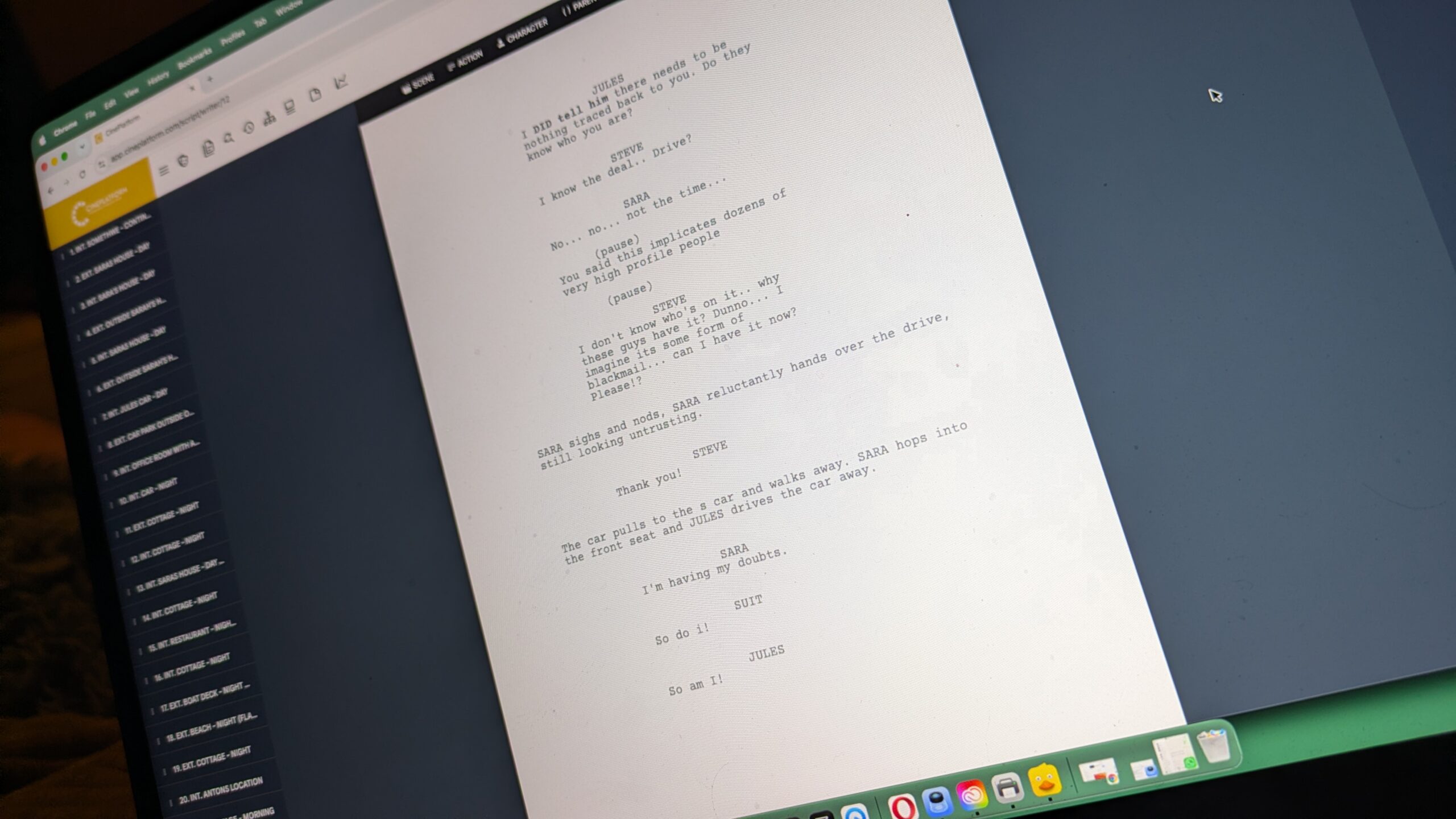
Common formatting mistakes that flag a script as not ready?
Industry standard formatting for screenplays exists for a reason, one page roughly equals one minute of screen time, your screenplay…

Editing Software Guide: Best Tools for Every Budget
Choosing the right video editing software is one of the most important decisions a film maker or creator can make.…

Sound Recording & Design: What Every Filmmaker Should Know
Sound isn’t just an add-on in film making, it’s half the picture. While visuals grab attention, your soundtrack shapes emotion,…
Get In Touch About Your Educational Needs
Our team is ready to discuss how CinePlatform Campus can support your students and faculty — from project management to grading and reporting.
Contact Us To Learn More