

By Laura Daly on Friday, 24th October 2025
Picture this: your cast and crew gather around a table for the first time, scripts in hand, excitement in the air. This is the magic of a script read-through, the first step in truly bringing your story to life. It’s more than just reading lines; it’s a vital moment of preparation that can set the tone for your entire shoot.
Here’s why you should never skip this important step, and how it can make a huge difference to your project.
What Is a Script Read-Through?
A script read-through, or table read, is a pre-production meeting where the cast (and sometimes key crew members) read the script out loud. It’s often the first time everyone gets to experience the story as a group.
It’s informal but invaluable. Think of it as a rehearsal for the entire team—a chance to get on the same page (literally and figuratively!).
Why a Script Read-Through Matters
It Brings the Story to Life
Hearing your script read aloud is a powerful experience. It’s where words on the page become dialogue, where characters come to life, and where the rhythm of the story becomes clear.
Bonus: You might spot moments that feel unnatural or discover new opportunities to enhance the story.
It Builds Team Chemistry
A read-through is often the first time the cast meets each other. This is the moment where relationships begin to form, which can be especially important if your characters need to convey deep connections on screen.
Tip: Encourage a relaxed and friendly environment to help break the ice. Snacks and coffee never hurt!
It Highlights What Works (and What Doesn’t)
You’ll quickly notice if a joke falls flat or if a line doesn’t match the character’s voice. It’s much easier to tweak dialogue now than during filming, when time is tight and emotions can run high.
Pro Tip: Take notes during the read-through and discuss adjustments afterwards.
It’s a Safe Space for Experimentation
This is the perfect time for actors to try out different interpretations of their roles. Directors can give feedback and start shaping performances before the pressure of the shoot begins.
Fun Fact: Some of the best character moments come from the creative sparks ignited during a read-through.
It Involves the Crew in the Vision
Having your key crew members (like the cinematographer or production designer) at the read-through can be incredibly helpful. It gives them insights into the tone and pace of the story, which can inform their creative choices.
Example: A slow-burning scene might inspire a lighting setup with long shadows, while a fast-paced argument could lead to dynamic camera movement.
How to Get the Most Out of Your Read-Through
- Plan Ahead: Schedule the read-through early in pre-production, so you have time to make changes if needed.
- Keep It Casual: This isn’t a performance—let everyone feel comfortable to stumble, laugh, and explore.
- Record It: Audio or video recordings can be a helpful reference for later, especially for directors and editors.
- Encourage Feedback: Invite the team to share their thoughts after the read-through. Fresh perspectives can lead to exciting improvements.
A Read-Through Sets the Stage for Success
A script read-through is more than a box to tick off your to-do list—it’s an opportunity to connect, refine, and ignite excitement for the journey ahead. Whether you’re working on a small indie film or a big-budget production, the read-through is a moment to breathe life into the project and ensure everyone feels part of something special.
So gather your team, grab those scripts, and let the storytelling begin. Your shoot, and your film, will thank you for it.
Happy reading!
More Insights and Tips for Filmmakers
Explore expert advice, behind-the-scenes guides, and practical tips to help you plan, manage, and deliver better film and TV productions.

Outline vs Treatment vs Screenplay: What’s the Difference?
For new filmmakers, and even experienced indie directors, the terms outline, treatment, and screenplay are often used interchangeably. In reality,…
Why Getting It Right In-Camera Always Beats “Fix It In Post”
With modern video editing software, “fix it in post” has become the ultimate security blanket. We’ve been conditioned to view…
Does Filmmaking Gear Really Matter? Why Skill Beats Specs
Since the advent of digital technology, a lot of filmmakers have gotten hung up on making sure they have the…
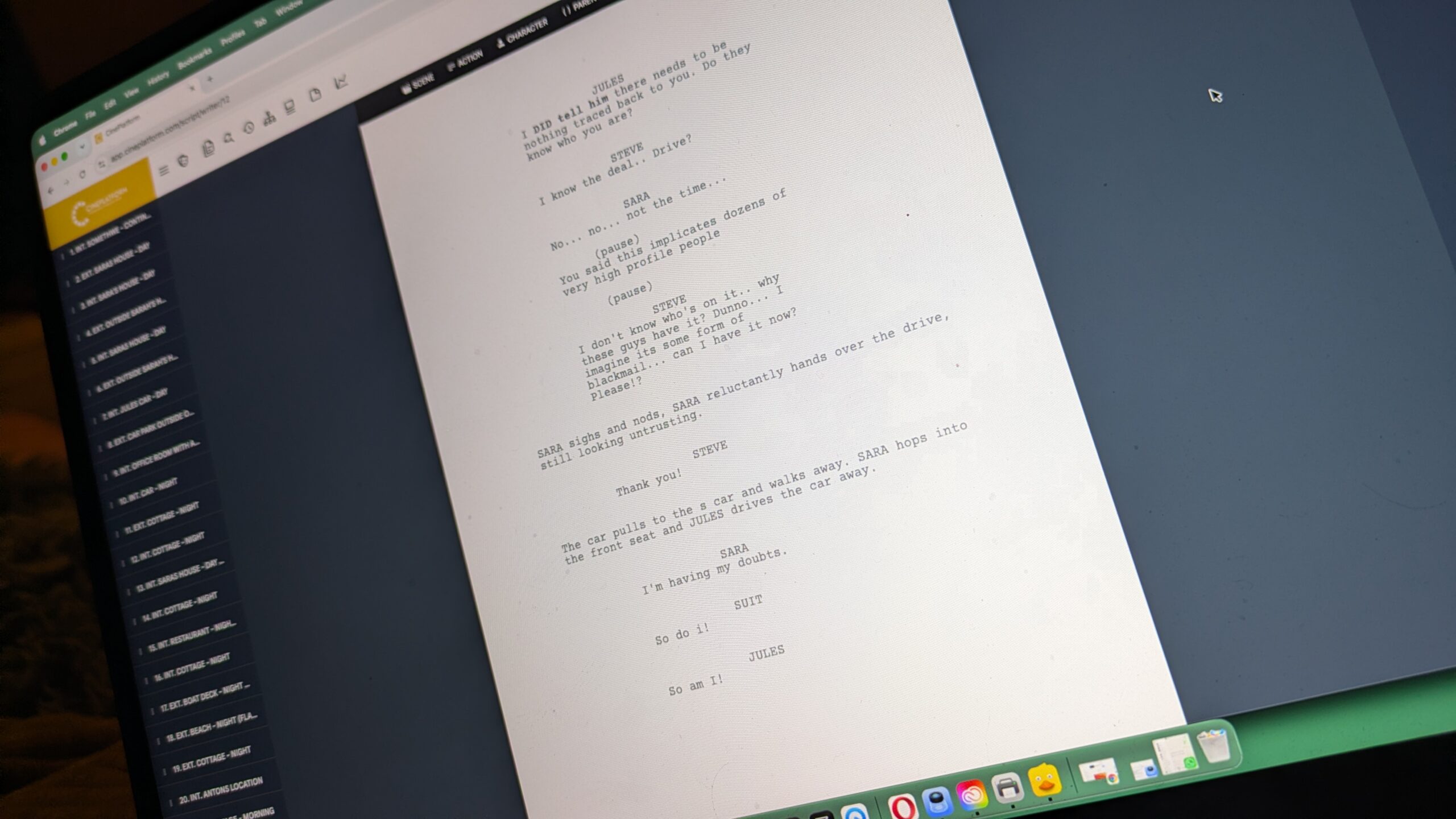
Common formatting mistakes that flag a script as not ready?
Industry standard formatting for screenplays exists for a reason, one page roughly equals one minute of screen time, your screenplay…

Editing Software Guide: Best Tools for Every Budget
Choosing the right video editing software is one of the most important decisions a film maker or creator can make.…

Sound Recording & Design: What Every Filmmaker Should Know
Sound isn’t just an add-on in film making, it’s half the picture. While visuals grab attention, your soundtrack shapes emotion,…
Get In Touch About Your Educational Needs
Our team is ready to discuss how CinePlatform Campus can support your students and faculty — from project management to grading and reporting.
Contact Us To Learn More