

By Laura Daly on Thursday, 11th June 2026
Screenwriting Tutorial for Beginners
Turning a film idea into a fully fledged screenplay can seem overwhelming, especially if you’re new to Screenwriting. But with a clear process, the right tools, and structured steps, you can transform your initial spark of creativity into a script that’s ready for production, pitching, or submission into competitions. Let’s walk you through every stage, from concept to script, step by practical step.
What You’ll Learn in This Guide
- How to define and strengthen your film idea
- How to develop characters & plot
- Structuring your screenplay
- Writing your first draft
- Revising, editing, and polishing
- Preparing your script for submission or pitching

Start With a Strong Film Idea
Every great screenplay begins with a clear central concept – a premise that hooks the audience and drives your story forward. Ask yourself:
- What is the core conflict?
- Who is the main character?
- Why does this story matter?
A strong concept answers these questions and gives your idea focus. A useful tool at this stage is a logline: a one-sentence summary that captures the essence of your film, introducing the protagonist, goal, conflict, and stakes, this is industry standard in Screenwriting.
Tip: Write several versions of your logline until it feels compelling, concise, and intriguing.
Build Clear Characters & Motivations
Characters are the engine of your story, without strong protagonists and antagonists, even a great concept can fall flat. Focus on:
- Goals: What does each character want?
- Obstacles: What stands in their way?
- Growth: How do they change through the story?
Understanding characters at this depth will make them feel real and drive your plot naturally.
Beginner exercise: Write a paragraph for each main character that outlines their backstory, motivation, arc, and relationships.
Create a Story Structure & Outline
Structure is critical in Screenwriting it gives your story shape and keeps pacing tight. Most stories follow the classic three-act structure:
- Act I: Setup – Introduce characters, setting, and conflict
- Act II: Confrontation – Rise of obstacles and escalation
- Act III: Resolution – Climax and conclusion
Before writing your script, build an outline that maps the significant beats of your story. You can break it down into scenes or moments – sometimes called a step outline or beat sheet.
Pro tip: Use index cards or digital tools to rearrange scenes easily – this helps visualise the story flow before you draft.
Write a Treatment or Story Summary
Before diving into script formatting, some writers find it helpful to write a treatment — a prose narrative of the story that spans a few pages.
This lets you:
- Clarify the full plot
- Understand pacing
- Resolve major story issues early
A treatment is especially useful for feature films or complex plots where keeping track of threads matters.
Write Your First Draft
Now it’s time for the magic: turning your plan into an actual screenplay.
Key script writing tips:
- Use clear, visual language – Screenplays are meant to show what’s seen and heard on screen, not internal thoughts.
- Format like a pro – Use approved screenplay formatting (Courier 12 pt, industry standards). Tools like Celtx, Final Draft, WriterDuet and others handle this automatically.
- Don’t aim for perfection – Your first draft just needs to exist. You will polish later.
Industry rule: One page generally equals one minute of screen time, so a 90-120 minute film should have around 90-120 pages
Revise, Edit & Polish Your Script
Writing is rewriting. After your first draft, take time to revise. Focus on:
- Tightening plot structure
- Sharpening dialogue
- Enhancing character arcs
- Improving pacing
- Removing redundant scenes
Some writers speak to trusted peers or let them read their draft for feedback.
Tip: Take a short break after your first draft; distance helps you see weaknesses more clearly when you return.
Software & Tools That Help
We at CinePlatform LOVE software that can help in the film-making process. Using screenwriting tools can make workflow smoother, especially for beginners who don’t want to wrestle with formatting.
Some popular options include:
- Celtx – Formatting + collaboration tools.
- Final Draft – Industry standard for script formatting.
- WriterDuet – Great for real-time co-writing.
- Movie Outline – Helps with step outlining and formatting.
Next Steps: Pitching & Sharing Your Script
Once polished, your screenplay can be shared in multiple ways:
- Script competitions – Great for exposure (e.g., Sundance, Nicholl).
- Query agents/managers – Target small agencies open to new voices.
- Film festivals – Many festivals accept scripts alone.
- Pitch events – Practice concise pitches using your logline
Your logline becomes your elevator pitch – one sentence that sells your entire concept.
OR, and this is what we love to see… you could join film making networks and groups near you and go get it made!! That’s where we can help even more… https://cineplatform.com/

More Insights and Tips for Filmmakers
Explore expert advice, behind-the-scenes guides, and practical tips to help you plan, manage, and deliver better film and TV productions.

Outline vs Treatment vs Screenplay: What’s the Difference?
For new filmmakers, and even experienced indie directors, the terms outline, treatment, and screenplay are often used interchangeably. In reality,…
Why Getting It Right In-Camera Always Beats “Fix It In Post”
With modern video editing software, “fix it in post” has become the ultimate security blanket. We’ve been conditioned to view…
Does Filmmaking Gear Really Matter? Why Skill Beats Specs
Since the advent of digital technology, a lot of filmmakers have gotten hung up on making sure they have the…
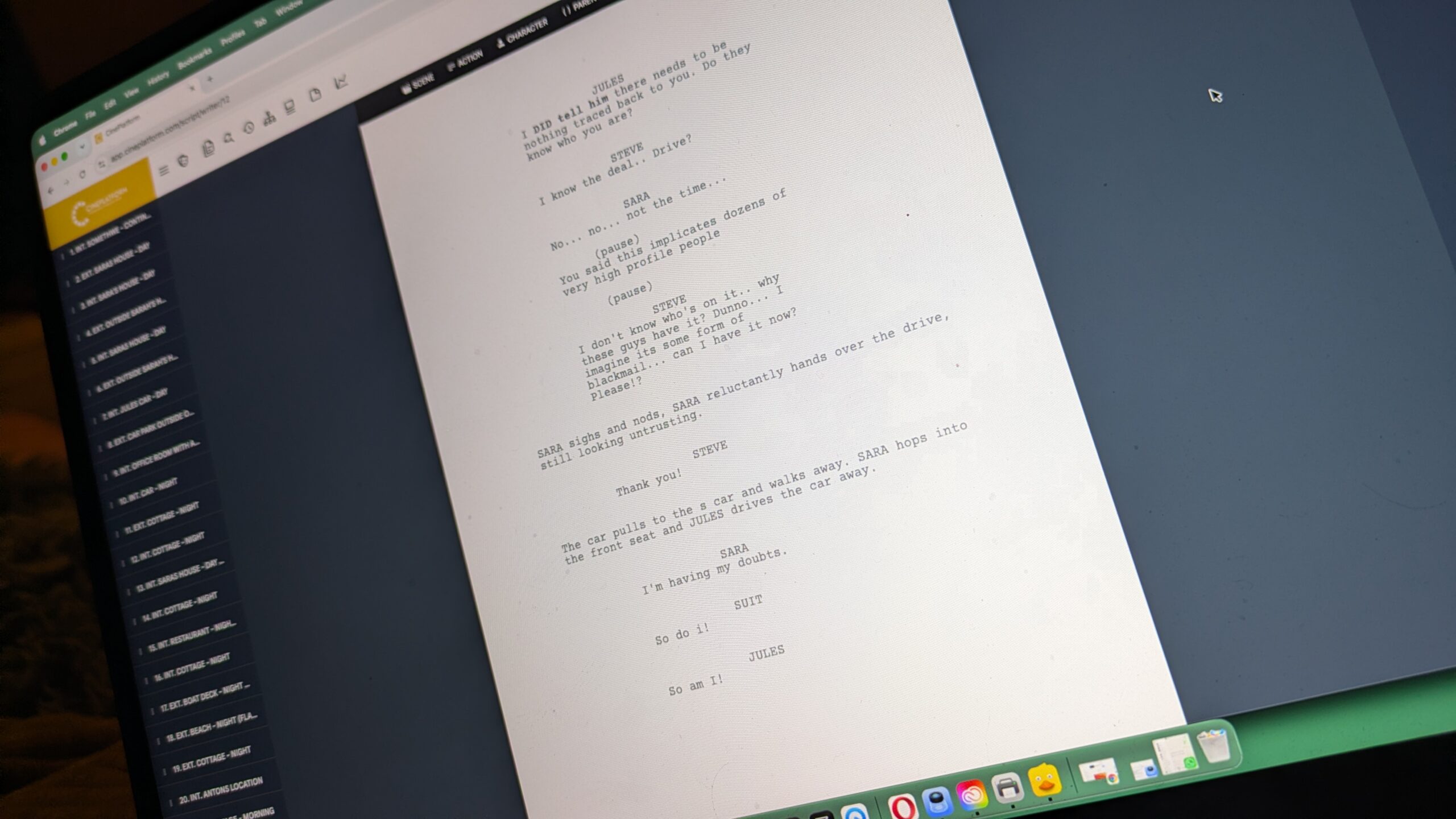
Common formatting mistakes that flag a script as not ready?
Industry standard formatting for screenplays exists for a reason, one page roughly equals one minute of screen time, your screenplay…

Editing Software Guide: Best Tools for Every Budget
Choosing the right video editing software is one of the most important decisions a film maker or creator can make.…

Sound Recording & Design: What Every Filmmaker Should Know
Sound isn’t just an add-on in film making, it’s half the picture. While visuals grab attention, your soundtrack shapes emotion,…
Get In Touch About Your Educational Needs
Our team is ready to discuss how CinePlatform Campus can support your students and faculty — from project management to grading and reporting.
Contact Us To Learn More