

By Laura Daly on Thursday, 11th June 2026
From unforgettable protagonists like Fleabag and Walter White to deeply nuanced supporting roles, great storytelling starts with great characters. Character development is one of the most vital narrative skills a creator can master because emotionally grounded roles not only drive your story but also connect with your audience on a deeper level. But how do you translate those ideas into fully realised characters on the page and screen? In this tutorial, we’ll explore proven character development techniques using real case examples, script notes, and clip breakdowns, so you can apply them to your own writing.

Why Character Development Matters
Characters are the emotional core of your story. When done well:
- Characters evolve organically through decisions and conflict
- Their internal desires mirror and fuel external plot goals
- Audiences feel invested in their journey
Strong development ensures your narrative resonates, unfolds naturally, and feels lived-in rather than explained. Fivea
Technique #1: Define Clear Goals & Internal Motivations
Most compelling characters want something externally and internally.
- The external goal fuels the plot
- The internal goal fuels character growth and emotional depth Reddit
Case Example: Pat Solitano – Silver Linings Playbook
External goal: Win back his wife
Internal goal: Learn to live with bipolar disorder and accept life outside denial
Over the film, Pat’s external pursuit becomes intertwined with his internal shift, he learns acceptance and emotional maturity as he seeks stability. THINK. WRITE. CREATE.
🎬 Script note: Use scenes of routine conflict: Pat’s anger vs. Tiffany’s challenges to reveal both goals, not just the plot action.
Technique #2: Revealing Growth Through Actions, Not Exposition
Rather than telling the audience who characters are through dialogue alone, show their traits through consistent actions and reactions. Deep character development comes from choices under pressure.
Example Clip: Inside Out – Joy
Joy repeatedly tries to suppress sadness physically and emotionally. Instead of dialogue explaining her fear of sadness, her actions reveal it:
- Attempts to fix Riley’s emotions
- Clinging to control over emotional state
Her growth isn’t stated, it’s shown when she finally accepts sadness as part of emotional maturity. THINK. WRITE. CREATE.
Script note: Map a sequence of actions that gradually change how a character moves, reacts, or speaks, these micro-actions make arcs believable.
Technique #3: Build Conflict That Forces Growth
Conflict is the engine of drama and it defines character. There are two main sources of conflict:
- Internal conflict: moral dilemmas, doubts, fears
- External conflict: antagonists, obstacles, plot challenges
Great characters face both
Case Example: Prince Zuko – Avatar: The Last Airbender
Zuko’s quest to regain honour is both external (capture the Avatar) and internal (reconcile desire for approval with his own morals). His arc transforms him from antagonist to redeemed ally. THINK. WRITE. CREATE.
🎬 Script note: In your beat sheet, assign both internal and external conflict beats e.g., decision points where character choices reveal inner struggle.
Technique #4: Character Voice & Dialogue That Reveal Personality
Dialogue isn’t just medium for information, it’s an opportunity to show how a character thinks and who they are. Distinct speech patterns make characters memorable. Greenlight Covera
Example Character, Jack Sparrow: Pirates of the Caribbean
Jack Sparrow’s lines don’t just deliver plot his rhythm, swagger, and non-sequitur humour show his cunning, unpredictability, and charm. His dialogue is character. Industrial Scripts®
🎬 Script note: In screenplay drafts, pair dialogue with stage directions that indicate tone or delivery, this gives actors cues and deepens your character’s voice.
Technique #5: Use Supporting Characters as Mirrors & Foils
Supporting roles should do more than fill space, they highlight, contrast, and test your protagonist’s traits, revealing new layers and tensions.
Case Example: The Dark Knight
The Joker isn’t just antagonist, he forces Batman to question his moral boundaries. Their contrasts make each character’s choices more defining. The Word 360
🎬 Clip idea: Contrast scenes where protagonist choices differ drastically under pressure, reinforcing internal values through opposition.
Technique #6: Show, Don’t Tell – Use Visual Detail to Build Persona
Rather than exposition dumps, let your visual direction reveal internal states:
- Costume choices
- Body language
- Reactions to setting or objects
hese details deepen audience understanding without dialogue.
Example: Joker (2019)
Arthur’s physical transformation, posture, dancing, costume, reflects his psychological descent, without a single line of introspective dialogue. The Word 360
Script note: Annotate in your screenplay where visual cues replace verbal explanations these moments strengthen character without slowing pace.
Essential Script Notes for Developing Character
- Define want vs need for every major character.
- Map scenes to * choices that reveal personality.
- Use actions and reactions before exposition.
- Write dialogue unique to each character voice.
- Scaffold internal conflict into your three-act structure.
Final Thoughts on Character Development
Character development isn’t static, it’s dynamic. Great characters aren’t interesting because they start strong, but because they change, struggle, and evolve. The techniques above are proven ways to build depth, relatability, and investment in your script and to turn narrative skills into compelling storytelling.
More Insights and Tips for Filmmakers
Explore expert advice, behind-the-scenes guides, and practical tips to help you plan, manage, and deliver better film and TV productions.

Outline vs Treatment vs Screenplay: What’s the Difference?
For new filmmakers, and even experienced indie directors, the terms outline, treatment, and screenplay are often used interchangeably. In reality,…

Why Getting It Right In-Camera Always Beats “Fix It In Post”
With modern video editing software, “fix it in post” has become the ultimate security blanket. We’ve been conditioned to view…

Does Filmmaking Gear Really Matter? Why Skill Beats Specs
Since the advent of digital technology, a lot of filmmakers have gotten hung up on making sure they have the…
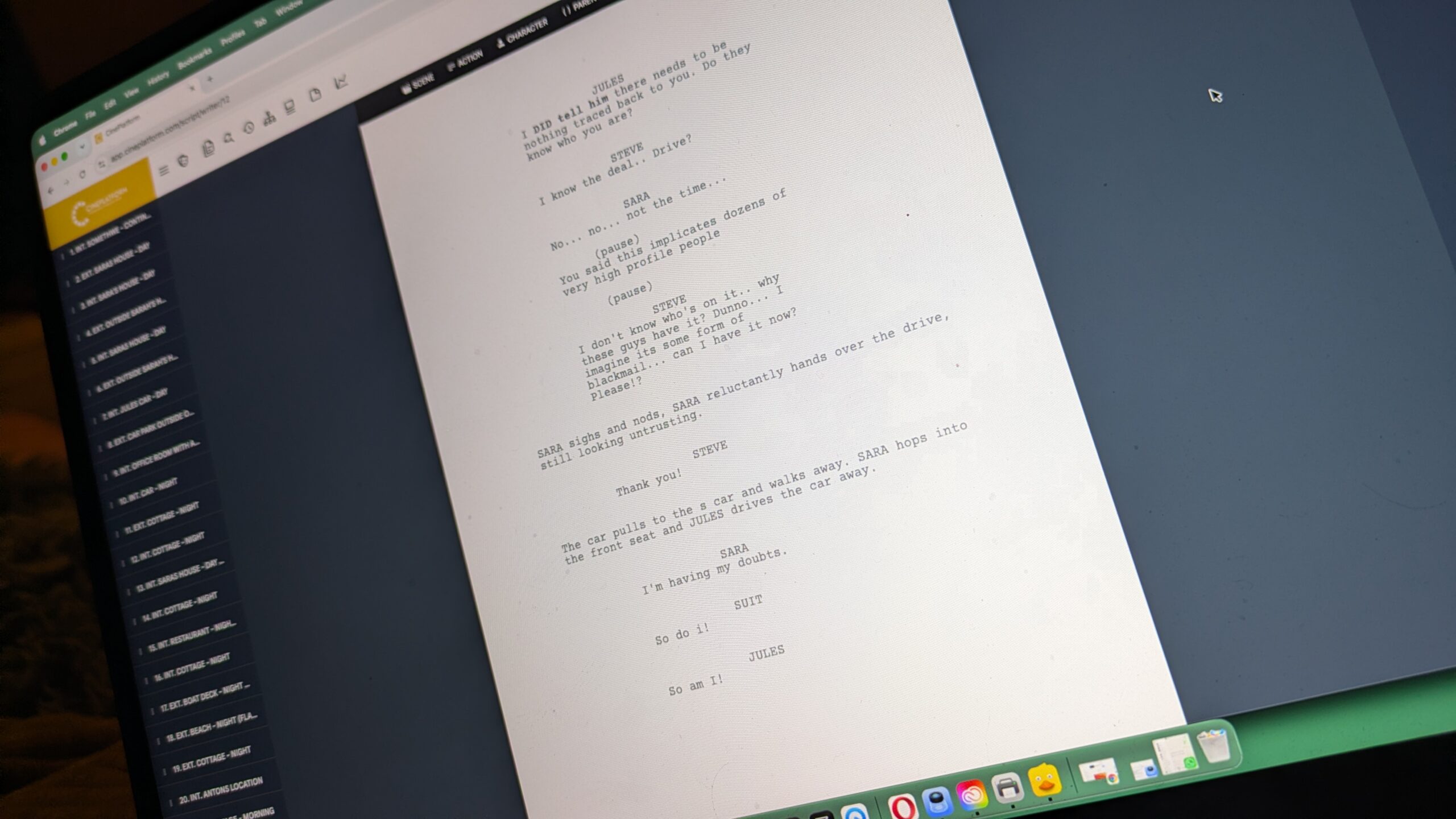
Common formatting mistakes that flag a script as not ready?
Industry standard formatting for screenplays exists for a reason, one page roughly equals one minute of screen time, your screenplay…

Editing Software Guide: Best Tools for Every Budget
Choosing the right video editing software is one of the most important decisions a film maker or creator can make.…

Sound Recording & Design: What Every Filmmaker Should Know
Sound isn’t just an add-on in film making, it’s half the picture. While visuals grab attention, your soundtrack shapes emotion,…
Get In Touch About Your Educational Needs
Our team is ready to discuss how CinePlatform Campus can support your students and faculty — from project management to grading and reporting.
Contact Us To Learn More