
By Chris Darby on Thursday, 16th July 2026
Since the advent of digital technology, a lot of filmmakers have gotten hung up on making sure they have the latest and greatest gear. New cinema cameras come out every month. You spend £3,000 on the newest camera body, and two months later, it feels out of date.
But is it really?
Older cinema cameras are still relevant
Let’s look past the marketing hype, the targeted ads, and the endless stream of YouTube reviewers telling you that you “absolutely must have this camera.” Instead, let’s talk about what actually ends up on screen.
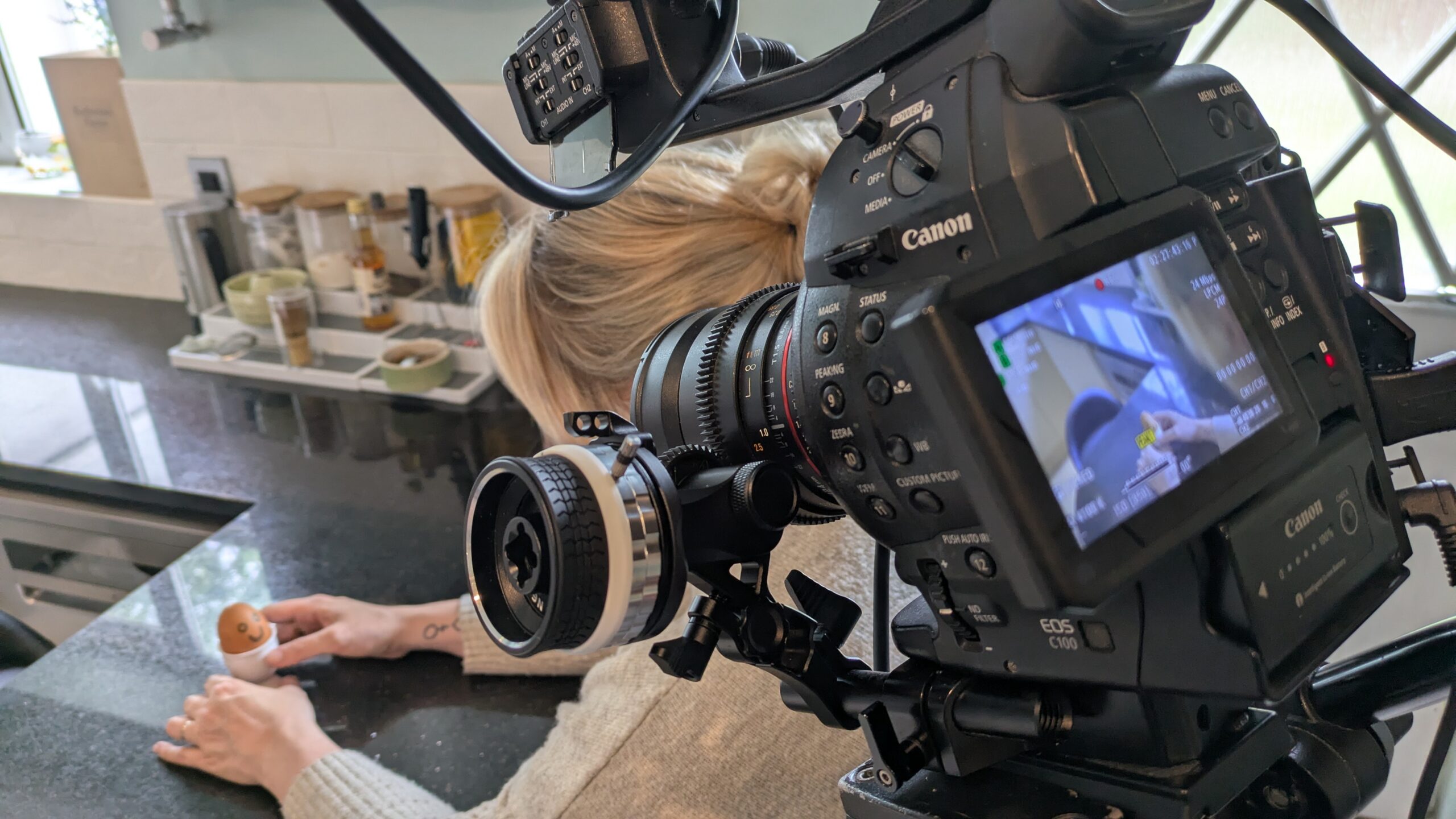
On paper, a brand-new Canon C400, with its 6K full-frame sensor, triple base ISO, and 16 stops of dynamic range, should utterly embarrass an older model like the original Canon C100. The C100, one of Canon’s first affordable cine cameras (and even more affordable 2nd hand in 2026), is more than a decade old, locked to 1080p, and records highly compressed 8-bit files onto cheap SD cards.
Yet, if you put both cameras in the hands of someone who truly knows how to shape light and work within their limitations, a massive chunk of that technical gap completely evaporates.
Why? Because sensors and technology don’t make movies, filmmakers do.
Lighting vs. Dynamic Range: Shaping the Scene
Looking at the modern Canon C400, the technical specs boast an extra four stops of latitude to save your highlights or rescue your shadows. Modern competitors like the RED Komodo-X or the Blackmagic PYXIS will tell you the same thing, touting RAW recording and a range of other features designed to help craft your image.
That massive dynamic range is an amazing safety net if you are shooting a run-and-gun documentary under a harsh midday sun. But narrative filmmaking isn’t about adapting to your environment and working within chaos; it’s about creating intention in your images.
When you know your craft and understand the ins and outs of cinematography, a 12-stop sensor, like the one found in the C100 or older DSLRs, is plenty. Instead of relying on a multi-thousand-pound camera sensor to balance a blazing white window and a dark shadow in the same frame, a seasoned Director of Photography (DoP) relies on traditional techniques:
- Pulling out a net to shape and soften the light.
- Flagging ambient light to create negative fill.
- Bringing in a well-placed fixture to balance the contrast ratio.
When you light a scene properly, you are molding the real world to fit your camera sensor’s sweet spot. In that controlled environment, the C100’s skin tones, shadows, and highlights look just as rich and organic as a camera costing five times as much.
Does Camera Resolution Matter? 1080p vs. 6K
Over the last 15 years, camera marketing has conditioned us to believe that “more pixels equals a better image.” But 6K resolution doesn’t make a scene more dramatic. It doesn’t make a plot twist more shocking, or a performance more intense and heartbreaking.
In fact, some of the most visually striking films of the 2000s were shot on 1080p or standard HD sensors long before 4K became mainstream. These films held up perfectly on giant cinema screens:
- Star Wars: Episode II & III
- Collateral (Tom Cruise)
- 28 Days Later
- Once Upon a Time in Mexico
- Zodiac
The original Canon C100 actually downsamples its internal 4K sensor to create a incredibly robust 1080p image. Because it lacks the ultra-sharp, clinical look of modern mirrorless cameras, it retains an inherently organic, filmic texture.
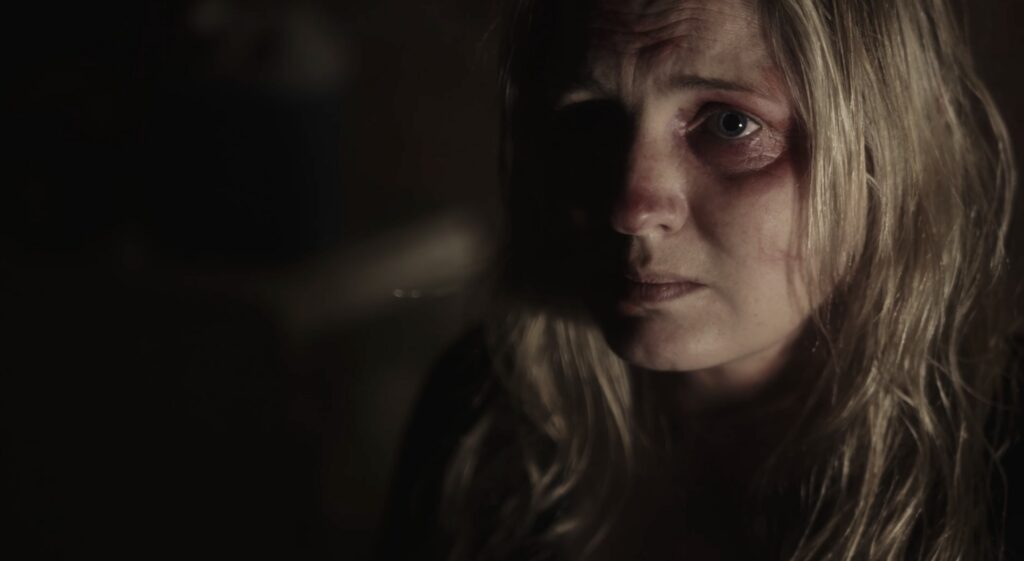
When you pair an older, lower-resolution sensor with high-quality cinema glass, deliberate composition, and excellent lighting, you get incredible results. Viewers aren’t counting the sharpness of the pixels on an actor’s face; they are feeling the emotion of the frame.
The Ultimate Filmmaking Advantage: Knowing Your Gear
There is a massive, often overlooked advantage to shooting on a camera you know intimately. When you’ve spent years with a specific tool, it becomes an extension of you. You don’t have to overthink your settings; you know exactly how far you can push the shadows before they break.
On any film set, time is your most precious commodity. A filmmaker who is completely fluent in an older camera will:
- Work significantly faster.
- Direct with more confidence.
- Capture more meaningful shots.
This always beats a filmmaker who is constantly digging through a labyrinth of new menus on a rented, top-of-the-line setup they barely understand.
The Bottom Line: Stop Upgrading, Start Shooting
The next time you find yourself scrolling through gear forums, watching yet another YouTube review claiming a new camera is “the future of cinema,” or feeling the itch to upgrade just to stay relevant, ask yourself a simple question:
Are you limited by your sensor, or are you limited by your scene?
The latest filmmaking gear offers incredible convenience, speed, and massive safety nets. But a new camera cannot buy you skill, taste, or knowledge of your craft. Grab the camera you already have, master its quirks, light deliberately, and go make something beautiful.
If the story is good enough, the audience won’t be able to tell which camera you used.
More Insights and Tips for Filmmakers
Explore expert advice, behind-the-scenes guides, and practical tips to help you plan, manage, and deliver better film and TV productions.

Outline vs Treatment vs Screenplay: What’s the Difference?
For new filmmakers, and even experienced indie directors, the terms outline, treatment, and screenplay are often used interchangeably. In reality,…
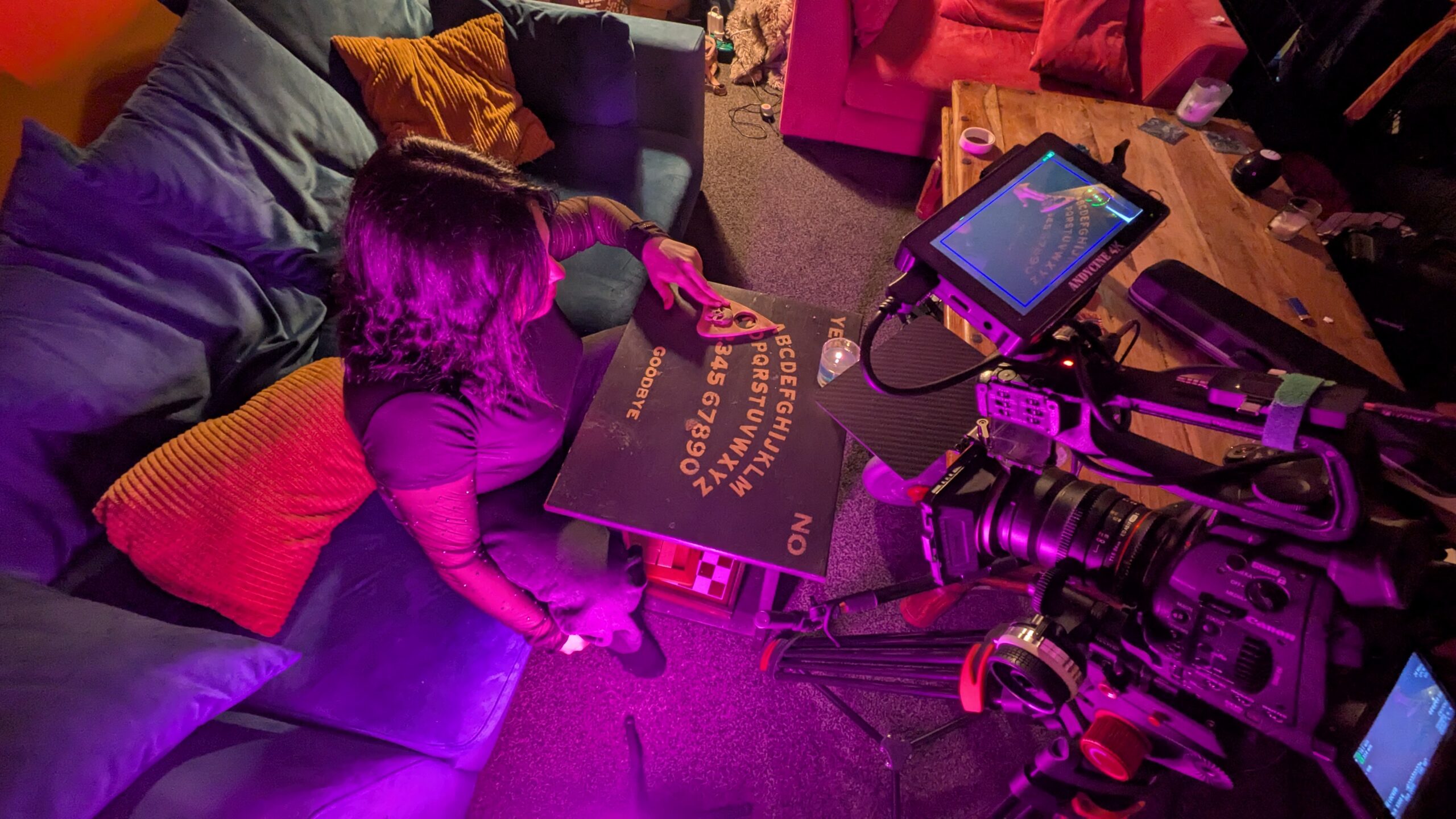
Why Getting It Right In-Camera Always Beats “Fix It In Post”
With modern video editing software, “fix it in post” has become the ultimate security blanket. We’ve been conditioned to view…
Does Filmmaking Gear Really Matter? Why Skill Beats Specs
Since the advent of digital technology, a lot of filmmakers have gotten hung up on making sure they have the…
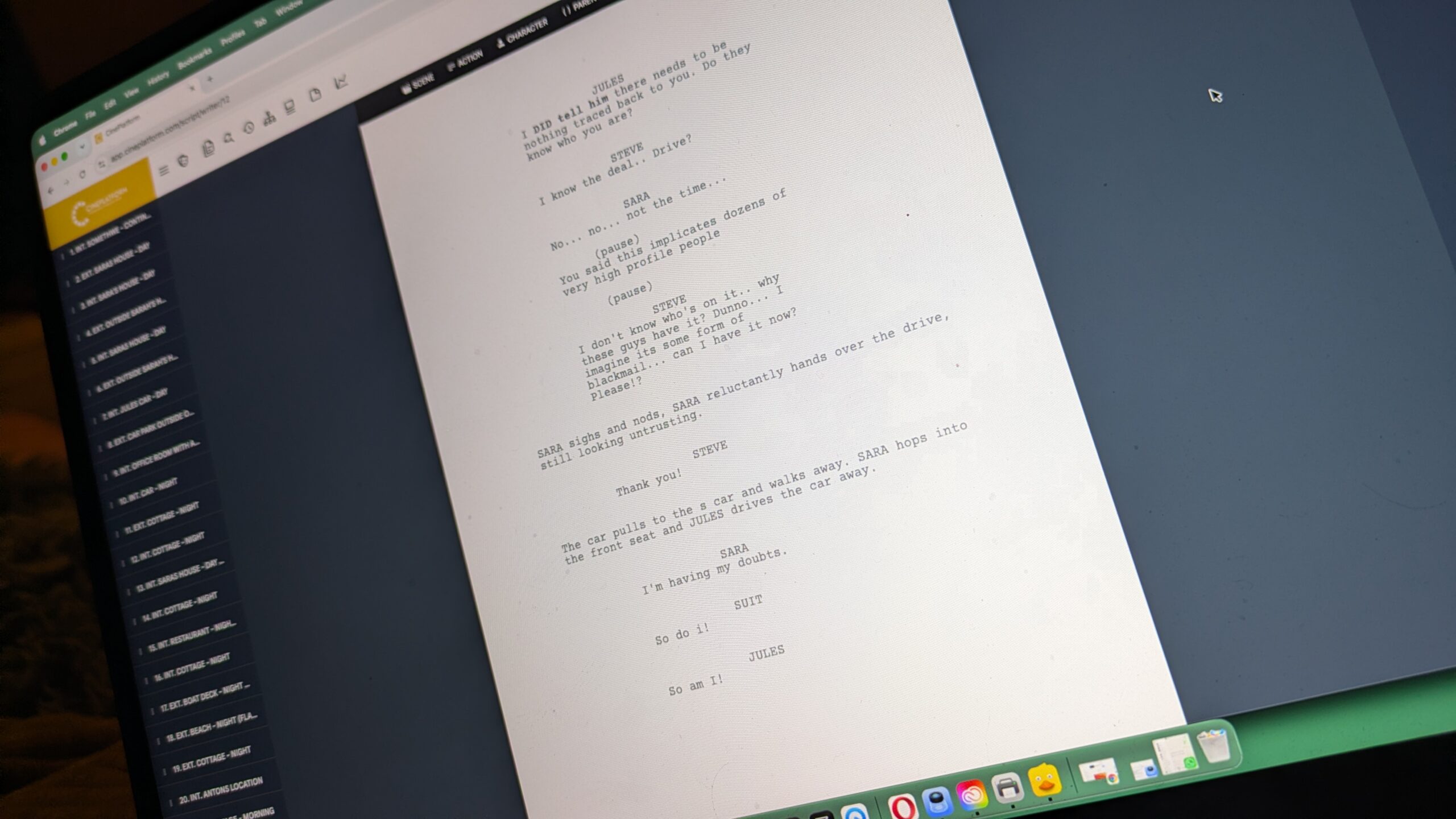
Common formatting mistakes that flag a script as not ready?
Industry standard formatting for screenplays exists for a reason, one page roughly equals one minute of screen time, your screenplay…

Editing Software Guide: Best Tools for Every Budget
Choosing the right video editing software is one of the most important decisions a film maker or creator can make.…

Sound Recording & Design: What Every Filmmaker Should Know
Sound isn’t just an add-on in film making, it’s half the picture. While visuals grab attention, your soundtrack shapes emotion,…
Get In Touch About Your Educational Needs
Our team is ready to discuss how CinePlatform Campus can support your students and faculty — from project management to grading and reporting.
Contact Us To Learn More