Choosing which Equipment is the Right Equipment for Your Film
Choosing the right camera gear is one of the most important production decisions you’ll make as a filmmaker; whether you’re shooting a short film, documentary, or narrative project.
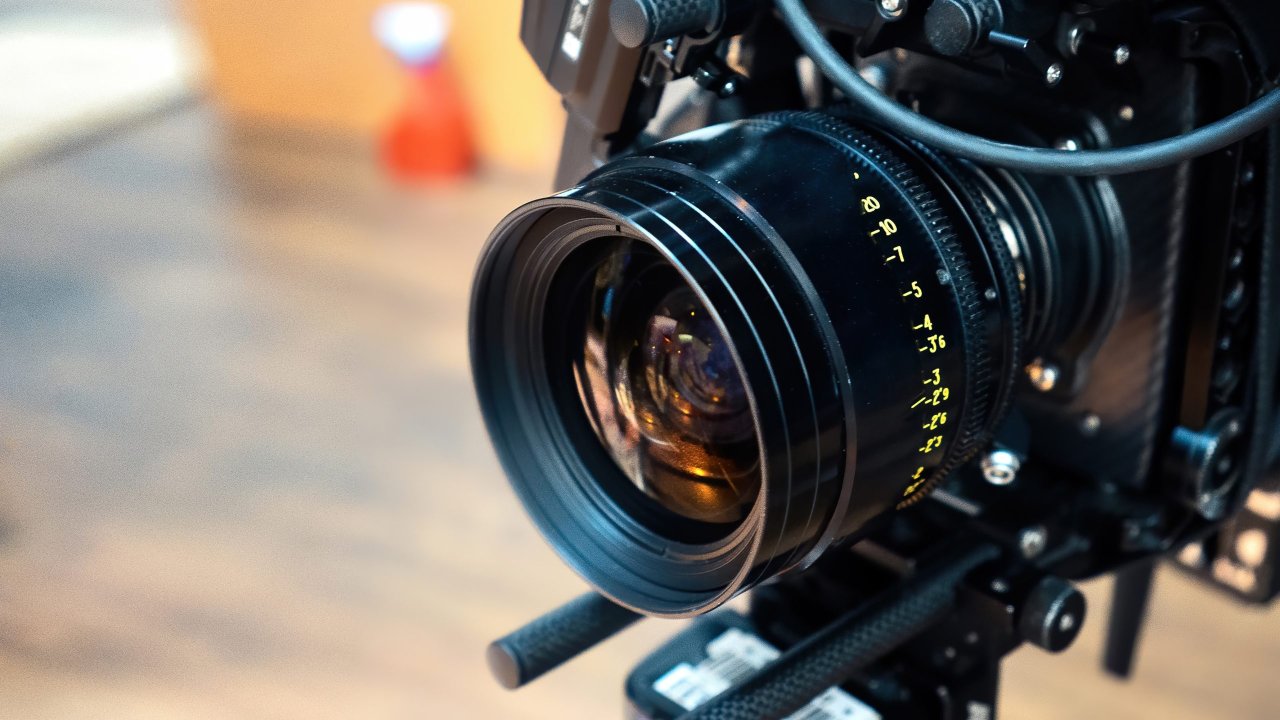
The camera you select will directly impact your visual storytelling, image quality, and workflow on set. This guide will walk you through essential camera options, compare key gear, and give you practical tips to pick the best tools for your project and budget.
Why Choosing the Right Camera Matters
Your camera is more than a box that records video, it shapes the look and feel of your film. Choosing which equipment requires a bit of research into what will work for you. Different cameras offer:
- Varying sensor sizes for depth of field
- Different dynamic range and low-light performance
- Flexibility in post-production
Making an informed choice upfront means your production flows more smoothly and your footage stands up to editing and colour grading later.
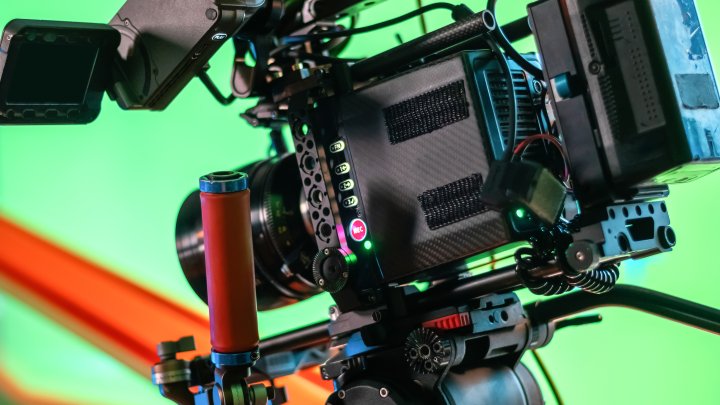
Professional video camera on the movie set with a lot of cables. Green screen on the background.
Start With Your Story: What Do You Want Your Film to Look Like?
Before picking a camera, think about your visual goals:
- Do you want a cinematic film look with shallow depth of field?
- Are you shooting documentary-style or fast, run-and-gun footage?
- Is low-light performance a priority?
Your answers will shape whether you prioritise sensor size, colour science, autofocus, or durability.
Camera Types Explained (And When To Use Them)
Mirrorless & DSLR Cameras – Versatile & Budget-Friendly
Mirrorless and DSLR cameras are hugely popular for indie filmmakers because they're compact, versatile, and affordable. These cameras often offer:
- 4K video and excellent image quality
- Interchangeable lenses
- Useful autofocus and stabilisation
Popular options include Sony Alpha, Canon EOS, and Panasonic Lumix models – great for everything from short films to hybrid production work.
Best for: Beginner filmmakers, small crews, documentaries, narrative shorts
Cinema Cameras – Professional Powerhouses
Cinema-specific cameras deliver the highest image quality and most flexibility for serious productions. These cameras often offer:
- Larger sensors and cinematic colour profiles
- Higher dynamic range
- Better compression formats (e.g., RAW or ProRes)
Examples include the Blackmagic Pocket Cinema Camera 6K Pro and Canon EOS C70, which balance cinematic quality with accessibility for indie filmmakers.
Blackmagic Pocket Cinema Camera 6K Pro:
- Super 35 sensor
- 6K resolution up to high frame rates
- Built-in ND filters and excellent dynamic range
- Great all-round option for narrative and documentary film making without breaking the bank
Canon EOS C70:
- Ideal for run-and-gun shooting
- Superb autofocus and ergonomics
- Excellent battery life and slow-motion options
- Perfect for documentary filmmakers and small-crew productions
Best for: Indie features, documentaries, commercial work
Action & Specialty Cameras — Creative Angles
Don't overlook action cameras (e.g., GoPro or DJI Osmo) for dynamic footage or POV shots. They're rugged, accessible, and perfect for captures that would otherwise be tricky with larger setups.
Best for: Action sequences, tight spaces, documentary inserts
Key Features to Compare When Choosing Your Camera
Here's how to think about the most important camera features when choosing gear:
Sensor Size
Larger sensors typically give you:
- Better low-light performance
- Shallower depth of field
- Richer colour information
Cinema or full-frame sensors are often preferred for narrative work, while smaller sensors can work great for run-and-gun or budget projects.
Resolution & Frame Rates
- 4K is now the standard for filmmaking
- High frame rates allow slow-motion footage
- Make sure your camera can shoot in formats that suit your story and post-production workflow
Autofocus & Image Stabilisation
If you're a solo operator or documentary shooter, strong autofocus and stabilisation can be game-changers especially for moving shots or run-and-gun work.
Lens Comparisons: Because Glass Matters Too
Choosing the right lenses is just as important as the camera body. Consider:
Prime Lenses
- Fixed focal length
- Brilliant low-light performance
- Beautiful cinematic depth of field
Zoom Lenses
- Versatile for changing shot distances
- Great when you need flexibility on set
Practical Tips for On-Set Success
Test Before You Shoot Rent gear and shoot test footage, you'll learn far more than from specs alone. Try lenses in your actual locations to see how they handle light and movement.
Think Beyond the Camera Accessories like tripods, gimbals, and external monitors can dramatically improve footage stability and operator control, especially for narrative filmmaking.
Rent When Possible If your budget can't stretch to high-end cinema cameras, renting professional gear for specific days gives you access to premium tools without the cost of ownership.
Final Takeaways
Choosing which equipment is the right camera gear for your film is about matching your story to the tools. Your final choice should reflect:
- Your creative vision
- The type of film you're making
- Your budget and crew size
From mirrorless and cinema cameras to action-ready setups, understanding your options helps you make confident gear decisions that elevate your production. Choosing which equipment is the right gear doesn't guarantee great film making but it enables your vision to be realised with clarity, quality, and style.